
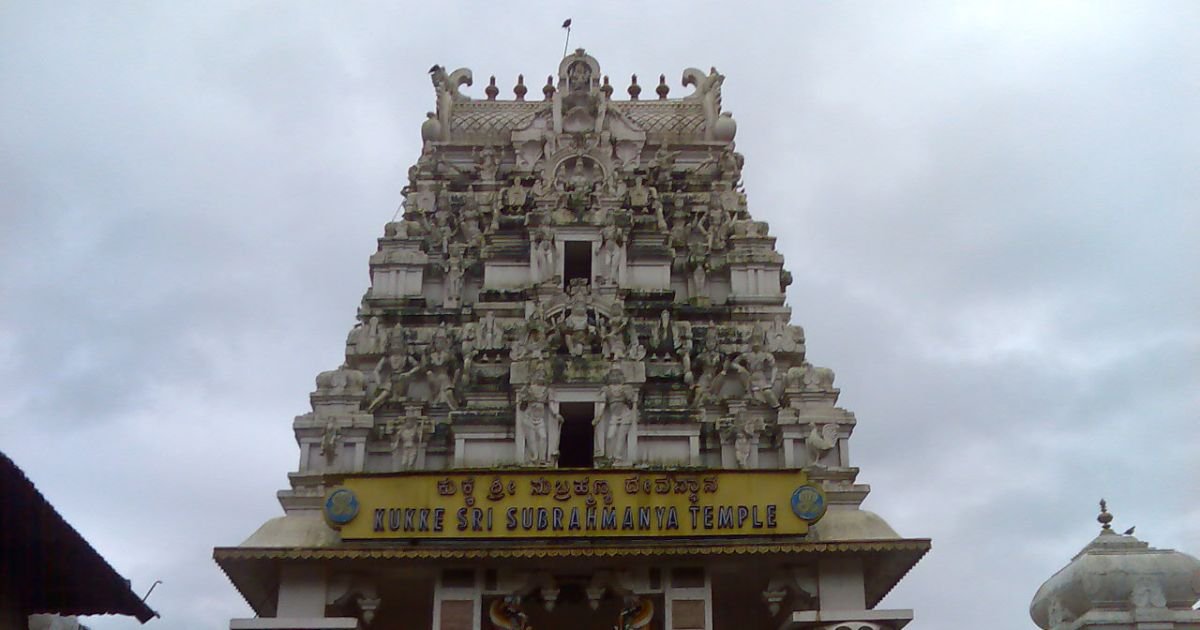

Kukke Subramanya Temple stands in Subramanya village, Sullia taluk, Dakshina Kannada district of Karnataka. Many devotees consider it the most important Naga kshetra in South India. Lord Subramanya (also known as Kartikeya, Murugan and Shanmukha) is worshipped here together with the serpent king Vasuki.
This guide covers the temple’s legend, 2026 timings, online booking, sevas, rooms, travel routes, food, rules and a realistic trip budget. It is written for first-time pilgrims and for families planning a ritual visit.
Quick facts:
- Main deity: Lord Subramanya with Vasuki
- Location: Subramanya, Dakshina Kannada, Karnataka
- Sacred river: Kumaradhara
- Famous for: Sarpa Samskara, Ashlesha Bali, Naga Pratishta
- Distance: About 106 km from Mangalore and about 271 km from Bangalore
The Legend of Kukke Subramanya
According to tradition, Subramanya defeated the demon Tarakasura and then arrived at the banks of the Kumaradhara with Devasena. Their marriage is said to have taken place here, and the land became sacred.
A second story explains the serpent connection. Vasuki was escaping from Garuda and took shelter in a cave in these hills. Lord Shiva asked Subramanya to protect him. Subramanya agreed and promised to remain here with Vasuki forever. This is why devotees seek relief from serpent related doshas at this temple.
The region was once known as Kukke Pattana. Local belief holds that Adi Shankaracharya visited the place and refers to Subramanya in his Subrahmanya Bhujangam. Some traditions place the shrine’s origins in very ancient times, although the present structures are much more recent.
Why the Temple Still Matters
People visit for Sarpa Dosha, Kaalasarpa Dosha and Kuja Dosha rituals. Others come to pray for marriage, children, health or family peace. The custom of bathing in the river first and then passing the Garuda pillar before darshan remains central to the experience.
Kukke Subramanya Temple Timings 2026
The temple opens early, has a midday break and closes in the evening. Timings can shift during eclipses, festivals and special sevas, so confirm on your travel day.
Morning and Evening Darshan Slots
| Session | Approximate Time |
| Doors open, Go Pooja | 5:00 AM |
| Usha Kala Pooja | 5:30 to 7:30 AM |
| Morning darshan | 7:00 AM to 1:30 PM |
| Madhyahna Pooja | 10:00 AM to 12:15 PM |
| Mahamangalarathi | Around 12:00 PM |
| Annadana (afternoon meal) | 1:30 to 2:00 PM |
| Hannukai Seva | 3:30 to 6:00 PM |
| Evening darshan | 3:30 to 8:00 PM |
| Nisha Pooja | 6:00 to 7:40 PM |
| Main doors close | 8:00 PM |
Tip: Arrive before 6:30 AM on weekends and holidays. Queues grow fast after 8:00 AM.
Special and VIP Darshan Fees
General darshan is free. On busy days the temple may run a paid fast queue, and the fee can change without notice. Ask at the temple office on arrival rather than relying on old figures. People who hold a seva receipt usually get a smoother entry for their ritual.
Related Post: Online Booking Guide for Sri Kalahasti Templ
Kukke Subramanya Online Booking Guide
Sarpa Samskara and Ashlesha Bali have limited daily slots, so book ahead.
- Open the temple’s official website. Avoid agents who charge extra.
- Select the seva and your preferred date.
- Enter the participant’s name, gotra and nakshatra.
- Pay online and save the confirmation.
- Carry a printout or screenshot along with a photo ID.
If your date is full, call the Sarpa Samskara section on 08257-281300 and ask about the next available slot. Weekdays are easier to get than weekends.
Kukke Subramanya Tickets and Entry Fees
Entry to the temple is free. Charges apply only for sevas, rooms and a few optional services. The temple offers free vegetarian meals (Annadana) to all devotees. Parking near the temple area may carry a small fee, which varies by vehicle.
Sarpa Samskara Online Booking and Cost
Sarpa Samskara is a two day ritual performed to remove serpent dosha. Many families book it after consulting an astrologer.
Rules to know:
- Only devotees who have completed Upanayana and Pitru Samskara can perform it directly. Others can request the temple to arrange it.
- It usually cannot begin on Dashami, Ekadashi, Ashtami, eclipse days, Shivaratri or during the annual festival period.
- On day one, bathe in the Kumaradhara, take darshan and report to the Adi Subramanya hall around 8:30 AM.
- Meals are provided for a limited group, commonly four people per seva.
- Lodging is charged separately.
Cost: Older listings show a seva fee between ₹1,500 and ₹1,800. After adding a room and extras, families often spend ₹3,000 to ₹5,000 in total. Confirm the latest amount before paying.
Ashlesha Bali and Other Sevas at Kukke
Ashlesha Bali is a serpent related ritual traditionally linked with the Ashlesha nakshatra each month. It is held in the morning and takes less time than Sarpa Samskara.
Popular sevas include:
- Naga Pratishta
- Kuja Dosha Shanti
- Panchamrutha Abhisheka
- Hannukai Seva in the evening
- Rathotsava sevas, which cost more and are mostly offered around festivals
If you are unsure which ritual suits you, ask the temple priests at the seva counter. They usually guide families patiently.
Best Time to Visit Kukke Subramanya
October to February is the best window. The air is cool, the rain has settled and the trek is at its most rewarding. Monsoon visits look lush but paths turn slippery and leeches appear on trails.
If you want to see the temple at its busiest and most festive, plan around Champa Shashti, usually in November or December. Expect large crowds and tight room availability.
Weather by Season (Table)
| Season | Months | Temperature | What to Expect |
| Winter | Nov to Feb | 15 to 28°C | Cool, dry, ideal for trekking |
| Summer | Mar to May | 22 to 35°C | Warm and humid, go early |
| Monsoon | Jun to Sep | 20 to 27°C | Heavy rain, slippery paths |
| Post monsoon | Oct | 20 to 30°C | Fresh greenery, lighter crowds |
How to Reach Kukke Subramanya Temple
By Road from Bangalore and Mangalore
- From Bangalore: About 271 km via Hassan and Sakleshpur. Expect 6 to 7 hours. The ghat section is scenic but needs careful driving, especially in rain and fog.
- From Mangalore: About 106 km via Puttur. The drive takes roughly 2.5 to 3 hours.
Overnight buses from Bangalore let you reach before sunrise and save a night of lodging.
By Train via Subramanya Road Station
Subramanya Road is the nearest railway station, about 12 km from the temple. The Bangalore to Mangalore route here crosses dense forest, tunnels and bridges, and it is especially beautiful during the monsoon.
By Bus and Local Transport Options
- KSRTC buses connect Subramanya with Mangalore, Bangalore, Mysore and Hassan.
- Autos and shared jeeps run between the station and the temple town.
- Taxis are best booked in advance for late arrivals.
The Subramanya bus stand is close to the temple, and most places in town are walkable.
Kukke Subramanya Near Railway Station
The station has basic facilities only. Autos and jeeps wait outside, but they become scarce late at night. The ride to the temple takes about 20 to 30 minutes. If your train arrives after 10 PM, arrange a pickup through your lodge or a local driver.
Kukke Subramanya Rooms and Price
Rooms fill up quickly on weekends, Mondays and festival dates. Booking early saves stress and money.
Temple-Managed vs Private Lodges
| Feature | Temple Lodges | Private Lodges |
| Price | Budget friendly | Mid range to higher |
| Comfort | Basic and clean | Better amenities, AC options |
| Booking | Official portal | Direct or travel sites |
| Location | Very close to the temple | Town center |
| Best for | Seva participants, families | Comfort seekers, groups |
Temple rooms often start at a few hundred rupees. Private rooms generally range from about ₹800 to ₹3,000 depending on season and facilities. Check current rates before you book.
Rooms Online Booking Guide
- Visit the temple’s official lodging page.
- Pick your arrival date and room type.
- Upload ID proof and pay the advance.
- Save the booking number.
- Carry the same ID for check in.
For private lodges, read recent guest reviews and confirm hot water, check in time and parking. If you are doing Sarpa Samskara, book your room together with the seva to avoid delays.
Contact Number and Temple Address
Address: Sri Kukke Subrahmanya Temple, Subramanya, Sullia Taluk, Dakshina Kannada, Karnataka 574238
Phone (Sarpa Samskara section): 08257-281300
Lines can be busy during peak hours. Try mid morning for a faster response.
Kukke Subramanya Location Map
The temple sits in the heart of Subramanya town, close to the bus stand and the Kumaradhara ghats. Search “Kukke Subramanya Temple” in Google Maps for live directions and parking details. Download an offline map before you leave, as signal can drop on ghat roads.
Best 1-Day and 2-Day Itinerary Plan
One Day Plan
- 5:30 AM: Bathe at the Kumaradhara
- 6:30 AM: Darshan and Garuda pillar pradakshina
- 9:00 AM: Breakfast and your booked seva
- 12:30 PM: Annadana lunch
- 2:30 PM: Visit Adi Subramanya and nearby shrines
- 6:00 PM: Evening aarti before heading back
Two Day Plan
- Day 1: Follow the plan above and rest early.
- Day 2: Start the Kumara Parvatha trek at dawn if you have a permit, or take a lighter day with Biladwara and the river ghats.
Places to Visit Near Kukke Subramanya
Kumara Parvatha Trek Guide
Kumara Parvatha rises to about 1,712 metres and is one of the tougher treks in Karnataka. The trail is around 13 km one way, with Shesha Parvatha serving as a false summit before the real peak.
- Difficulty: Hard
- Duration: 10 to 12 hours round trip
- Permit: Required from the Forest Department, usually booked online
- Best season: October to February
- Carry: 3 litres of water, snacks, trekking shoes and a rain cover
Start by 5:30 AM and avoid the trail in heavy rain.
Biladwara Cave and Adi Subramanya
Biladwara is the cave associated with Vasuki’s legend and makes a short, quiet visit. Adi Subramanya is the older shrine where Sarpa Samskara rituals are carried out.
Kumaradhara River Holy Bath
The Kumaradhara flows below the temple. Pilgrims bathe here before darshan as an act of purification. Water levels rise in the monsoon, so stay on the ghats and avoid bridge edges.
Local Food and Where to Eat
The temple serves free vegetarian meals during the day. Outside, small Udupi style hotels offer idli, dosa, neer dosa and simple coastal meals. The area around the temple is largely vegetarian.
Worth trying:
- Neer dosa with coconut chutney
- Pathrode (colocasia leaf rolls)
- Filter coffee near the bus stand
Dress Code and Temple Rules
- Men remove shirts and vests inside the sanctum area and wear a dhoti or pancha.
- Women wear sarees, salwar kameez or other modest clothing.
- Leave footwear at the designated counters.
- Photography inside the sanctum is not allowed.
- Keep phones on silent.
- Avoid carrying leather items inside.
Follow the queue and staff instructions. It keeps the visit smooth for everyone.
Budget Breakdown for Kukke Subramanya Trip
| Item | Budget Trip | Comfort Trip |
| Transport (Bangalore, round trip) | ₹1,200 | ₹6,000 |
| Lodging (1 night) | ₹500 | ₹2,000 |
| Food | ₹300 | ₹1,000 |
| Seva (Ashlesha Bali) | ₹1,000 | ₹2,000 |
| Local travel | ₹200 | ₹800 |
| Total per person | About ₹3,200 | About ₹11,800 |
These are estimates. Sarpa Samskara and festival weeks will raise the total.
Travel and Safety Tips for Pilgrims
- Book rooms and sevas at least 2 weeks ahead for weekends.
- Use only the official website for payments.
- Ignore touts who promise shortcuts or special access.
- Keep valuables in a small bag close to you in queues.
- Check ghat road conditions before driving in monsoon.
- Carry motion sickness tablets and basic medicines.
- Senior citizens can ask the help desk about assistance.
Packing Guide for Kukke Subramanya Visit
- Dhoti or pancha and a towel
- Light cotton clothes and one warm layer
- Raincoat or umbrella
- Comfortable footwear for walking or trekking
- ID proof and booking printouts
- Power bank and offline map
- Reusable water bottle
- Basic first aid kit
Subramanya Temple Photos and Gallery
Photography is restricted inside the sanctum, but the river ghats, outer premises and hill views are rewarding. Sunrise over the Kumaradhara and the temple at dusk are favourite shots.
Suggested image alt text for your gallery:
- “Kukke Subramanya Temple entrance at sunrise”
- “Devotees bathing in the Kumaradhara River”
- “Kumara Parvatha trek viewpoint”
- “Garuda pillar near the Kukke Subramanya shrine”
Frequently Asked Questions
What is special about Kukke Subramanya Temple?
It is a leading Naga kshetra where Subramanya is worshipped with Vasuki, known for serpent dosha rituals like Sarpa Samskara.
What are the benefits of visiting the Subramanya Temple?
Devotees believe it brings protection from serpent dosha, family harmony and peace of mind.
Which god is worshipped in Kukke Subramanya Temple?
Lord Subramanya (Kartikeya or Murugan) is the main deity, worshipped along with the serpent king Vasuki.
What is the special pooja performed at Kukke Subramanya Temple?
Sarpa Samskara is the best known ritual, followed by Ashlesha Bali and Naga Pratishta.
Which day is good to do Sarpa Samskara pooja?
It can be done on most days except Dashami, Ekadashi, Ashtami, eclipse days, Shivaratri and the annual festival period.
What are the benefits of performing Kukke Subramanya pooja?
Devotees believe these poojas ease Sarpa Dosha, Kaalasarpa Dosha and Kuja Dosha and support family wellbeing.
Conclusion
Kukke Subramanya Temple brings together living legend, river rituals and forest scenery in a single trip. With early bookings, the right season and respect for temple customs, the visit can be calm and meaningful.
Reserve your seva and room first, travel overnight if you can, and begin the day with a bath in the Kumaradhara. Before you leave home, confirm timings, fees and rules on the official temple website, since these can change.

Wei Zhang is the admin of Magazinereflex.com, a travel-focused website dedicated to exploring destinations, sharing travel tips, and inspiring memorable adventures. With a passion for discovering new places and learning about different cultures, Wei Zhang aims to provide readers with helpful travel guides, destination insights, and practical advice to make their journeys more enjoyable. His goal is to inspire travelers to explore the world with confidence and curiosity.
