
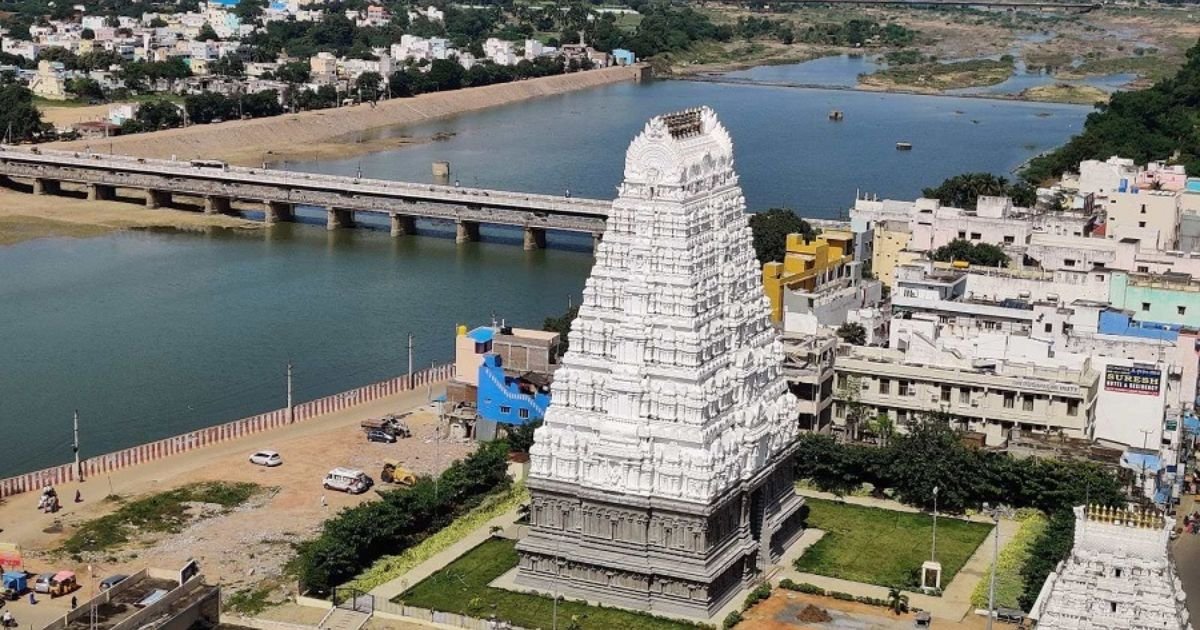

Sri Kalahasti Temple Darshan & Timings are the first details every pilgrim should check before visiting this ancient Vayu Lingam shrine in Andhra Pradesh. Knowing when the temple opens, which darshan ticket suits you and how long the queue may be can save hours of waiting and stress.
This guide explains daily timings, types of darshan, Rahu Ketu pooja slots, ticket prices, dress code and nearby places in simple language. Each detail is based on official Devasthanam information where available. Use it to plan a calm, well organized visit and receive the blessings of Lord Kalahasteeswara with confidence.
About the Darshan
Sri Kalahasti Temple, officially Sri Kalahasteeswara Swamy Vari Devasthanam, sits on the banks of the Swarnamukhi River beside a hill. It is one of the five Pancha Bhoota Sthalams and represents the element of air (Vayu). The main deity, Lord Shiva, is worshipped here as Kalahasteeswara in the form of the Vayu Lingam. Goddess Parvati is worshipped as Gnanaprasunambika.
The name comes from three devotees: a spider (Sri), a snake (Kala) and an elephant (Hasti). The temple is also linked with the hunter devotee Kannappa. Many pilgrims call the town the Kashi of the South, and the temple is known across India for Rahu Ketu and Sarpa Dosha Nivarana poojas.
A darshan here usually means:
- Entering through the temple queue from the east gopuram side.
- Seeing the Vayu Lingam and Goddess Gnanaprasunambika.
- Offering prayers, and joining a seva or pooja if you booked one.
Sri Kalahasti Temple Timings
The temple is open every day of the year with no weekly holiday. Published schedules differ by 30 minutes or so, so treat the table below as a planning guide and confirm at the entrance counter.
| Session | Approximate Timing |
| Temple opens | 5:00 AM to 6:00 AM |
| Suprabhata Seva | 5:00 AM to 5:30 AM |
| Morning abhishekam and poojas | 5:30 AM to 10:00 AM |
| General darshan | Through the day until about 9:00 PM |
| Rahu Ketu pooja | 6:00 AM to 5:00 PM |
| Evening pooja and harathi | About 6:00 PM to 8:30 PM |
| Temple closes | About 9:00 PM |
Quick answer: Sri Kalahasti Temple is open daily from early morning (around 5:00 to 6:00 AM) until about 9:00 PM. Short pauses happen for rituals, and timings may change on festival days.
Best time to visit: Early mornings from 6:00 AM to 9:00 AM on weekdays, when crowds are smaller and the weather is cooler. Winter months, from November to February, are the most comfortable.
Related Post: Horanadu Annapoorneshwari Temple Darshan & Seva Timings 2026 – Complete Temple Schedule Guide
Types of Darshan
Different darshan tickets are sold at the temple counters. Prices can be revised by the Devasthanam, so check the board at the counter.
| Type | Approx. Fee | Who It Suits |
| Free (Sarva) Darshan | Free | Devotees who can wait in the general queue |
| Special Entrance | ₹50 | Families and elders wanting a shorter line |
| Seeghra Darsanam | ₹200 | Short trips and busy days |
| Antharalaya Darshan | ₹500 | Closer inner sanctum darshan, at set hours |
| Seva Darshan | Included with seva ticket | Those doing abhishekam or Rahu Ketu pooja |
Several older blogs mention a ₹100 ticket. Recent Devasthanam based listings do not show one, so do not rely on it.
Typical waiting time: Around 1 to 2 hours in the free queue on weekdays and up to 3 to 5 hours on weekends or festivals. Special entrance queues are often 30 to 60 minutes. These are estimates, not guarantees.
Rahu–Ketu Pooja Darshan
Rahu Ketu pooja is the main reason many devotees travel here. It is performed to seek relief from Rahu Dosha, Ketu Dosha, Kalasarpa Dosha and related delays in marriage, career or health. It is a belief based ritual, and many families perform it as a spiritual practice rather than a guaranteed fix.
You do not need to know your horoscope or nakshatra. Priests guide you through the sankalpam and the steps, and most explain in Telugu, Tamil and Hindi.
Pooja Timings
- Daily window: 6:00 AM to 5:00 PM (some listings say 6:00 PM).
- Batch duration: Roughly 30 to 60 minutes per batch.
- Reporting time: Reach at least 30 minutes before your slot.
- Traditionally preferred times: Rahu Kalam, Amavasya and Pournami, as well as Sundays, Mondays and Tuesdays.
Rahu Kalam changes by weekday and by location. These are common approximate windows:
- Monday: 7:30 AM to 9:00 AM
- Tuesday: 3:00 PM to 4:30 PM
- Wednesday: 12:00 PM to 1:30 PM
- Thursday: 1:30 PM to 3:00 PM
- Friday: 10:30 AM to 12:00 PM
- Saturday: 9:00 AM to 10:30 AM
- Sunday: 4:30 PM to 6:00 PM
Ticket Categories (Approximate)
The temple lists five Rahu Ketu pooja ticket levels. The difference is mainly seating location, hall comfort and how close you sit to the priests.
| Ticket | Typical Features |
| ₹500 | Common hall seating |
| ₹750 | Closer seating, often a better hall |
| ₹1,500 | Premium seating near the sanctum area |
| ₹2,500 | Better seating, suitable for couples |
| ₹5,000 | Extended ritual with the best seating |
All categories are believed to carry the same spiritual value. Choose based on comfort and budget. Some websites list tickets at ₹150 or ₹300, but the five tiers above match what the temple itself publishes.
Booking note: Sources disagree on online booking. The AP Endowments portal (aptemples.ap.gov.in) and the temple’s official website are the only channels to trust. Many same day tickets are still issued at the temple counter. Avoid agents and unofficial sites offering “confirmed slots,” and carry a valid photo ID.
Daily Sevas and Rituals
The temple follows a full daily cycle of worship. Common sevas include:
- Go Pooja: Early morning, around 4:30 AM to 5:30 AM depending on the weekday.
- Suprabhata Seva: Wakes the Lord before the day begins.
- Abhishekam slots: Usually three in the morning, with a pradosha slot at about 5:00 PM.
- Rudrabhishekam: Morning ritual for health and peace.
- Ksheerabhishekam and Palabhishekam: Milk based abhishekams.
- Nithya Kalyanam and archana: Daily offerings through the day.
- Ekantha Seva: Closing ritual at night.
Abhishekam participants usually need to wear traditional attire, including a white dhoti for men. Seva fees and slots change, so confirm current rates at the counter or on the official portal before paying.
Darshan Etiquette and Dress Code
Wear clothes that are modest and comfortable. Some sources say there is no strict code for general darshan, while rituals like Rahu Ketu pooja and abhishekam follow a stricter code. Dressing traditionally avoids any trouble.
- Men: Dhoti, kurta or neat shirt and trousers.
- Women: Saree, salwar kameez or a modest dress with a dupatta.
- Footwear: Remove it before entering the temple premises.
- Silence: Keep your voice low and chant “Om Namah Shivaya” if you wish.
- Cleanliness: Do not spit or litter inside the premises.
- Valuables: Carry as little as possible. The management is not responsible for lost items.
- Touts: Politely decline anyone offering shortcuts, rooms or prasadam near the gate.
Rules on mobile phones and photography can change, so check the signboards at the entrance.
Darshan Entry & Queue Information
Entry for devotees is through the east gopuram side. Ticket counters for darshan and sevas are also located near the main entrance.
Follow this simple order on arrival:
- Park and keep footwear in a safe place.
- Choose free, special or Seeghra darshan.
- Collect your Rahu Ketu or seva ticket at the counter, if applicable.
- Keep your ticket until you leave the temple premises.
- Join the right queue and follow the volunteers’ directions.
Elders, differently abled devotees and families with small children should ask the staff about priority arrangements. VIP or special darshan may pause temporarily during rush hours or security checks.
Important Days for Darshan
Some days draw much larger crowds. Plan extra time on these:
- Maha Shivaratri Brahmotsavam: A multi day festival in February or March with Lingodbhava Darshan on Shivaratri night. Lakhs of devotees visit, and VIP darshan is usually suspended.
- Pradosham, Amavasya and Pournami: Popular for abhishekam and Rahu Ketu pooja.
- Mondays: Favored for Lord Shiva worship.
- Karthika Masam: A month of special lamp offerings.
- Navaratri, Ekadasi and local festivals: Schedules may be adjusted.
- Eclipse days: Many temples close during eclipses, but Sri Kalahasti is widely reported to continue its poojas.
Festival dates change every year. Check the Devasthanam announcement before booking travel.
Tips for Devotees
- Start early. Arrive before 6:00 AM for the shortest lines.
- Reach 30 minutes before your pooja slot with your ID and tickets.
- Use official sources only. Fake booking sites charge extra for tickets that do not exist.
- Carry water and light snacks, especially in summer.
- Keep cash and UPI ready, since counter systems can be slow at peak times.
- Combine your trip with Tirupati, which is about 36 km away.
- Book rooms in advance during festivals. Devasthanam rooms and hotels fill quickly.
- Stay flexible. Rituals can pause timings for short periods.
Nearby Attractions for Devotees
- Bhakta Kannappa Temple: On the hill beside the main temple, honoring the devotee’s famous story.
- Pathala Ganapathi: A unique Ganesha shrine inside the temple complex.
- Swarnamukhi River ghat: A peaceful spot for a short rest after darshan.
- Tirumala Venkateswara Temple: About 36 km away at Tirupati.
- Sri Padmavathi Temple, Tiruchanoor: A popular stop for pilgrims visiting Tirupati.
- Chandragiri Fort: A historic site for travelers with extra time.
The Srikalahasti railway station is roughly 2 km from the temple, and Tirupati has the nearest airport. Buses and taxis run frequently between Tirupati and Srikalahasti.
Contact for Darshan Queries
Address: Sri Kalahasteeswara Swamy Vari Devasthanam, Srikalahasti, Tirupati District, Andhra Pradesh, PIN 517644.
Official channels: The temple’s official website (srikalahasthitemple.org) and the AP Endowments portal (aptemples.ap.gov.in) list current notices, bookings and helpline details. For same day queries, ask at the information or ticket counter beside the main entrance.
Frequently Asked Questions
What are the Sri Kalahasti Temple darshan timings?
The temple opens around 5:00 to 6:00 AM and closes around 9:00 PM daily. Short ritual pauses may occur, so confirm at the counter.
Is Sri Kalahasti Temple open on all days?
Yes, it is open every day of the week with no weekly holiday. Timings may change on festival days.
What are the Rahu Ketu pooja timings?
Rahu Ketu pooja runs daily from 6:00 AM to about 5:00 PM in hourly batches. Reach at least 30 minutes early.
How much does Rahu Ketu pooja cost?
Tickets are listed at ₹500, ₹750, ₹1,500, ₹2,500 and ₹5,000, based on seating and hall. Rates can change, so confirm before paying.
Can I book Rahu Ketu pooja online?
Some sevas and pooja tickets can be booked on the AP Endowments portal, but many are sold at the counter. Use only official websites.
What is the cost of special darshan?
Special Entrance is about ₹50, Seeghra Darsanam about ₹200 and Antharalaya Darshan about ₹500. Free darshan is also available.
What is the dress code at Sri Kalahasti Temple?
Modest traditional wear is best, especially for poojas and abhishekam. Men can wear dhoti or kurta, and women a saree or salwar.
What is the best time to visit Sri Kalahasti Temple?
Weekday mornings between 6:00 AM and 9:00 AM are usually calmest. November to February offers the best weather.
How long does Rahu Ketu pooja take?
Each batch usually lasts 30 to 60 minutes. Add extra time for tickets and queues.
How far is Sri Kalahasti from Tirupati?
It is about 36 km, roughly an hour by road. Taxis and buses are easily available.
Conclusion
A visit to Sri Kalahasti is easier when you know the timings, ticket types and rules in advance. Go early, choose the right darshan or pooja ticket, dress modestly and use only official booking channels. Plan extra time on festival days, especially around Maha Shivaratri.
Because timings and fees are revised from time to time, always confirm the latest details with the Devasthanam before you travel. With a little planning, your darshan of Lord Kalahasteeswara can be calm, meaningful and stress free.

Wei Zhang is the admin of Magazinereflex.com, a travel-focused website dedicated to exploring destinations, sharing travel tips, and inspiring memorable adventures. With a passion for discovering new places and learning about different cultures, Wei Zhang aims to provide readers with helpful travel guides, destination insights, and practical advice to make their journeys more enjoyable. His goal is to inspire travelers to explore the world with confidence and curiosity.
