
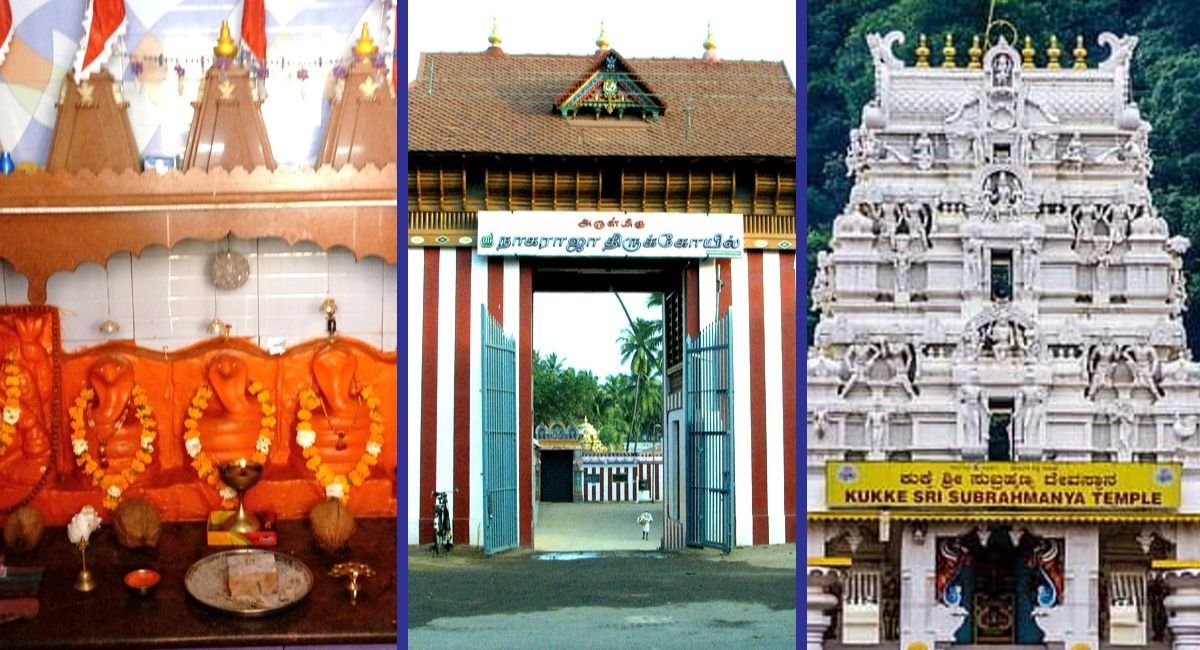

Tucked within the Secunderabad Cantonment in Telangana, the Naga Devatha Temple at Tirumalagiri is one of the most revered, sacred serpent deity shrines in the twin cities. Devotees from across the region visit daily to seek the blessings of Goddess Nagamma for health, prosperity, fertility, and relief from astrological Naga Dosha.
Beyond its spiritual energy, the temple is known for its remarkable history, shaped by extraordinary legends and the unwavering devotion of Sree Jayalakshmi Amma Garu. This guide covers timings, rituals, festivals, poojas, nearby attractions, and travel directions, helping first-time visitors and regular devotees alike plan a truly meaningful, well-prepared visit.
Naga Devatha Temple Tirumalagiri History
The temple’s history mixes folklore with documented milestones. Here is the sequence as it’s usually told.
- British era: A small Nagamma shrine stood in the Cantonment. According to local accounts, a British official ordered it demolished on a Friday. The next Friday, he, his horse and his pet dog were reportedly found dead near the site. The story spread fast and cemented the goddess’s reputation.
- A lifelong devotee: Sree Jayalakshmi Amma Garu had her first vision of Naga Devi at age seven. She spent her life in worship.
- A son’s samadhi: She gave birth to Sree Narayana Swamy in 1956. Devotees regard him as an incarnation of Naga Devatha. He began meditating at eight and attained samadhi at nine, in 1965.
- Construction begins: Amma Garu started building a larger temple after further visions. Cantonment officials opposed the work and fenced off the site. Accounts say a guard on night duty had his own vision of the goddess, and the restrictions ended.
- Milestones: The first Naga Panchami was celebrated in 1967. The first phase of construction finished in 1970.
A hereditary trustee shared this timeline with The Hans India. He also said the officials eventually agreed to the construction out of respect for the community’s faith.
Today the temple holds the samadhi of Amma Garu. It ranks among the best-known landmarks of the Cantonment.
Spiritual Significance of Naga Devatha Worship
Serpent worship is among the oldest living traditions in India. Snakes guard fields, water and wealth in folk belief. They also carry deeper symbolism in Hindu texts.
Think of three familiar images:
- Lord Shiva wears Vasuki around his neck.
- Lord Vishnu rests on the serpent Adishesha.
- Lord Subramanya is closely linked with serpent worship in South India.
In Telugu households, the practice is very personal. Many families pour milk over an anthill or draw rice flour designs (muggu) near it on festival days. A Naga idol under a peepal tree is a common sight beside village temples.
Devotees visit this temple for several reasons:
- Protection for the family and home
- Relief from Sarpa or Naga Dosha
- Blessings for couples hoping for children
- Removal of delays in marriage
- General peace and prosperity
These are matters of faith. The temple offers a place to pray, and outcomes differ for every person.
Temple Architecture and Structure
Don’t expect a towering Chola-style complex. The temple follows a regional South Indian pattern with a compact, walled layout. Its charm lies in the atmosphere and the details.
Look out for these features:
- Entrance gateway: A medium-height tower with carvings that recall the temple’s legends.
- Prayer hall: A spacious hall that holds large crowds during festivals. The pillars carry carved deity images.
- Sub-shrines: Smaller shrines sit in a distinctive arrangement across the grounds. They house different serpent forms and related deities.
- Reused stone pillars: Some pillars came from the Ujjain Mahankali Temple in Secunderabad after its renovation.
- Naga idol collection: Hundreds of serpent idols installed by devotees fill the grounds.
- Samadhi of Amma Garu: A quiet spot where many visitors sit in meditation.
- Pool and statue: Travel bloggers mention a pool in front of the temple and a large statue of Amma Garu. Free parking is also reported beside the temple.
Tall trees and the Cantonment’s open surroundings keep the place calm, even on busy days.
Rituals and Worship Practices
Priests conduct sevas through the day. Most follow standard Hindu temple practice with a serpent-centered focus.
Common rituals include:
- Abhishekam: Ritual bathing of the Naga idol with milk, turmeric water and panchamrit.
- Ashtotra Archana: Chanting of the goddess’s 108 names with flowers.
- Kumkum Abhishekam: A vermilion offering on auspicious days.
- Deepa Aradhana: Evening lamp offering with chants.
- Annadanam: Free food service, mainly on festival days.
What to carry: Milk, turmeric, flowers such as jasmine, and a coconut. Buy them from shops near the gate if you’re coming straight from work.
A note on milk: Pour milk over the idol only. Never offer it to a live snake. Snakes can’t digest milk, and animal welfare groups have criticized the practice for years. Offering to the stone or metal idol keeps the tradition intact and protects the animal.
Naga Dosha and Special Prayers
This is the main reason many visitors arrive. Before you book any ritual, read the next two sections carefully.
What is Naga Dosha?
In Vedic astrology, Naga Dosha (or Sarpa Dosha) refers to an unfavorable placement of Rahu or Ketu in a birth chart. Kalsarpa Yoga is a related condition. It’s said to occur when all the planets sit between Rahu and Ketu.
Believers link the dosha to:
- Delays in marriage
- Trouble conceiving
- Recurring health worries
- Career or money setbacks
- Strained family relationships
Astrology is a belief system. It isn’t a medical or scientific diagnosis. If you’re facing a health issue or fertility concern, consult a qualified doctor alongside any spiritual practice.
Special Poojas for Naga Dosha Relief
Temple listings mention several poojas:
| Pooja | Purpose |
| Naga Prathista Pooja | Installing a Naga idol and praying for dosha relief |
| Kalsarpa Shanti Pooja | Calming the effects of Kalsarpa Yoga |
| Rahu-Ketu Pooja | Appeasing the shadow planets, often timed to Rahu Kalam |
| Tripindi Shraddha | Peace for ancestors, linked to Pitru Dosha |
| Mahamrityunjaya Jaap Havan | A Shiva ritual for health and protection |
| Narayan Nagbali | A larger ceremony for ancestral peace and dosha removal |
How to book one:
- Call the temple office and name the pooja you want.
- Ask for the date, the fee and the list of items you must bring.
- Share your birth details if the priest asks.
- Arrive 30 minutes early on the day.
Get the fee in advance. Darshan is generally free, while poojas carry charges. Prices and availability change, so confirm them with the office.
Festivals Celebrated at the Temple
Crowds grow sharply during the festivals below. Plan your day around them.
Nagula Chavithi (Naga Chaturthi)
Nagula Chavithi falls on the fourth day after Deepavali Amavasya in Karthika masam, usually in October or November. It’s a major day for Telugu families. Many women fast and offer milk and fruits to Naga idols for the well-being of their family. Wikipedia’s Nagula Chavithi entry gives the same timing.
Naga Panchami
Naga Panchami falls in Shravan, generally July or August. This is the temple’s flagship festival. Devotees offer milk, flowers, turmeric and rice. The first celebration here took place in 1967. Expect long queues and extended hours.
Karthika Poornami
The full moon of Karthika month is auspicious for Naga worship. The temple holds lamp-lighting and evening prayers. Evening crowds are heavier than usual.
Telugu New Year (Ugadi)
Ugadi opens the Telugu calendar year. Many families visit to begin the year with a prayer. The temple marks the day with special pujas.
Date tip: Festival dates shift every year. Check a Telugu panchangam or call the temple a week ahead.
Naga Devatha Temple Tirumalagiri Timings
Most online listings agree on the following schedule.
| Session | Opens | Closes |
| Morning | 6:00 AM | 12:00 PM |
| Evening | 5:00 PM | 8:30 PM |
Why do some websites show different hours? Listings vary. Travel Kalyan lists a 12:30 PM close and a 4:00 PM evening opening. A Pinterest listing shows a 9:00 PM close. Temples often change hours around festivals and special poojas, and old pages don’t get updated. Phone the temple before you travel, especially on festival days.
Keep these points in mind:
- Festivals can extend or change the hours.
- Fridays draw big crowds.
- Full moon days can bring extended darshan.
- Weekday mornings are the quietest.
Related Post: Bhukailash Temple Tandur: History, Significance, Distance, Festivals, Timings & Complete Travel Guide
Best Time to Visit the Temple
The temple welcomes visitors all year. The best time depends on what you want.
- For quiet prayer: Weekday mornings, 6:00 AM to 8:00 AM.
- For the most auspicious atmosphere: Fridays, though you’ll share the space with many others.
- For a festival experience: Naga Panchami, Nagula Chavithi or Karthika Poornami.
- For families with children or elders: A weekday evening, after the heat drops.
Beat the heat: Hyderabad summers are hard between April and June. Pick early morning or late evening then.
First-visit checklist:
- Wear modest, comfortable clothes.
- Carry milk, flowers and a coconut.
- Keep your phone on silent.
- Bring small change for offerings.
- Take off footwear before the entrance.
How to Reach Naga Devatha Temple Tirumalagiri
The address is MCEME Road, Ward No. 7, Tirumalagiri, Secunderabad, Telangana 500015. One directory places it about 13.3 km north of Hyderabad railway station (Sannidhi). Search “Naga Devatha Temple Tirumalagiri” in Google Maps for live routing.
By Road
City buses run from many parts of Hyderabad and Secunderabad. Bus stops near the temple include Lal Bazar and Ramakrishnapuram X Roads. Autos, Ola and Uber offer door-to-door service. If you drive, free parking is reported next to the temple.
By Train
Secunderabad Junction is the main railway station. Take an auto or cab from there. The ride usually takes 15 to 30 minutes, depending on traffic.
By Metro
Reported nearby stations are Parade Ground and Secunderabad East on the Hyderabad Metro. You’ll need an auto or cab for the last stretch. Check the current metro map before you go.
By Air
Rajiv Gandhi International Airport at Shamshabad is the nearest airport. It’s roughly 35 to 40 km away. A pre-booked cab is the easiest option.
Nearby Attractions
Turn your temple visit into a half-day trip. Popular stops include:
- Secunderabad Clock Tower: A colonial-era landmark and popular meeting point.
- Ujjain Mahankali Temple: A well-known Shakti temple, famous for Bonalu.
- St. John’s Church: One of the older churches in South India.
- Trimulgherry Fort: A British-era military structure near the Cantonment.
- Hussain Sagar Lake: Boating and the giant Buddha statue.
- Lumbini Park: Evening laser shows near the lake.
Since the temple stands inside the Cantonment, carry a valid photo ID. Security rules in military zones can change.
Spiritual Experience for Devotees
Visitors often describe the place as calm. The pace slows once you cross the gate. People sit near Amma Garu’s samadhi in silence. Others tie their prayers to a particular Friday and return regularly.
Some devotees say that regular worship during Rahu Kalam on Fridays helped them feel more settled. These are personal experiences. Treat them as such. Priests can guide you on the right rituals for your circumstances, and they usually answer questions patiently.
Whether you come for a dosha pooja, a festival or a quiet hour, go with an open mind. Give yourself time to sit after darshan. That pause is often what people remember most.
Naga Devatha Temple Tirumalagiri Contact Number
Listed phone numbers:
- 040-2779 4990
- 090327 35102
- 099666 72326
Address: MCEME Road, Ward No. 7, Tirumalagiri, Secunderabad, Telangana 500015
These numbers appear on public listings and may change. Call ahead to confirm hours, festival schedules and pooja availability.
FAQ’s
What is the Naga Devatha Temple Tirumalagiri famous for?
It’s famous for serpent deity worship, Naga Dosha rituals and the story of Sree Jayalakshmi Amma Garu’s devotion.
What are the timings of Naga Devatha Temple Tirumalagiri?
Most listings show 6:00 AM to 12:00 PM and 5:00 PM to 8:30 PM daily. Hours can change on festival days, so call first.
Which deity is worshipped at Naga Devatha Temple Tirumalagiri?
The main deity is Naga Devatha, worshipped as Goddess Nagamma.
What is Naga Dosha and can it be cured at this temple?
Naga Dosha is an astrological condition tied to Rahu and Ketu placements. Devotees believe poojas here bring relief, but this is a matter of faith and not a guaranteed cure.
Which is the best day to visit Naga Devatha Temple Tirumalagiri?
Friday is considered the most auspicious day. Weekday mornings are better if you want fewer crowds.
Is there any entry fee for the temple?
Darshan is generally free. Special poojas and abhishekams carry separate charges.
How do I reach Naga Devatha Temple from Secunderabad Junction?
Take an auto or cab. The ride usually takes 15 to 30 minutes, depending on traffic.
Can I perform Naga Prathista Pooja at this temple?
Yes, devotees can arrange it through the temple. Call the priests in advance to fix a date and confirm the requirements.
Conclusion
The Naga Devatha Temple in Tirumalagiri blends folklore, family devotion and community faith. Its story starts with a demolished shrine and grows through Sree Jayalakshmi Amma Garu’s determination. Today it draws thousands, from first-time visitors to families who return every year.
Go on a weekday morning for peace. Choose a Friday or a festival day for the full atmosphere. Carry offerings for the idol and treat live snakes with care. Call the temple before you plan a pooja, since timings and fees can change.

Wei Zhang is the admin of Magazinereflex.com, a travel-focused website dedicated to exploring destinations, sharing travel tips, and inspiring memorable adventures. With a passion for discovering new places and learning about different cultures, Wei Zhang aims to provide readers with helpful travel guides, destination insights, and practical advice to make their journeys more enjoyable. His goal is to inspire travelers to explore the world with confidence and curiosity.
