
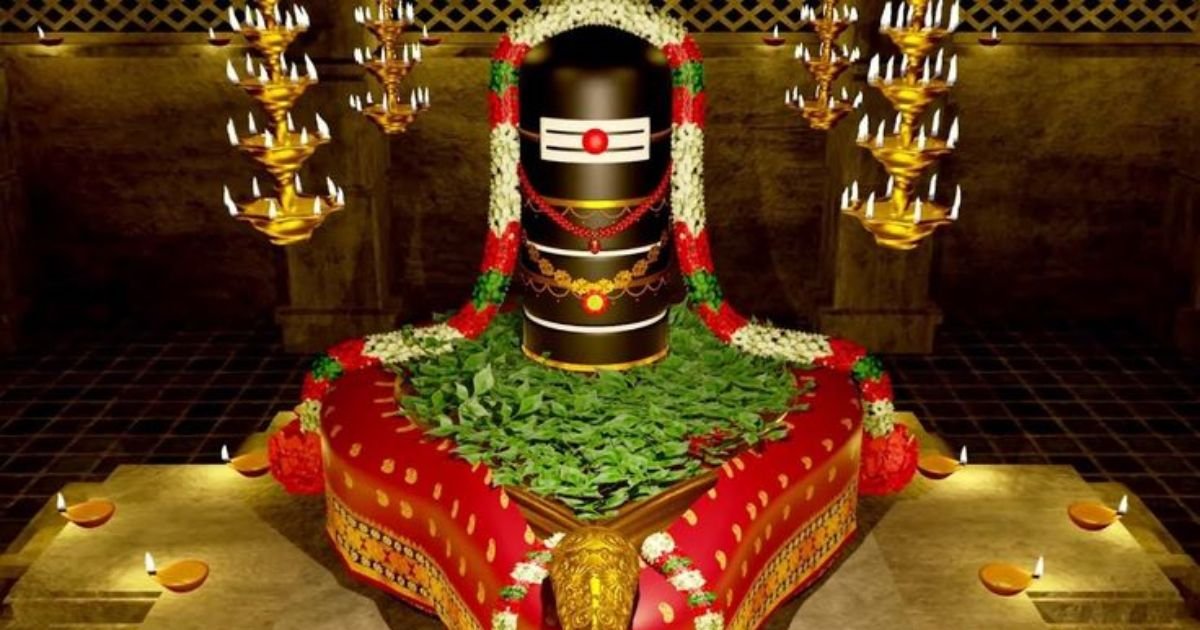

Tucked away in a quiet corner of Telangana, barely 35 kilometres from Hyderabad’s bustle, sits a shrine that many devotees describe as one of the most unusual Shiva temples in South India. The Marakatha Shiva Lingam Temple, officially called the Chandippa Sri Marakata Shivalinga Someshwara Swamy Temple, houses a rare emerald toned lingam that is said to glow with a distinct green hue during abhishekam. Its story blends an 11th century Chalukya inscription, a forgotten village shrine, and a modern rediscovery that reads almost like a devotional folk tale.
This guide walks through the temple’s history, its architecture, the rituals performed here, darshan timings, festival calendar, and the beliefs that keep pilgrims returning month after month. Whether you are planning a visit or simply curious about this Telangana gem, everything you need is covered below.
Sacred Significance of “Marakatha” Shiva Lingam
The word Marakatha (also written Maragatha) comes from Sanskrit and Telugu, and it simply means emerald. A Marakatha Shiva Lingam, therefore, refers to a lingam associated with an emerald green tone rather than the plain black or grey stone found in most Shiva shrines.
In Vedic tradition, emerald is linked to the planet Budha (Mercury), which governs intellect, communication, learning, and clarity of thought. Because of this association, worshippers believe that praying before a Marakatha lingam can help:
- Improve focus, memory, and decision making
- Calm an overactive or anxious mind
- Support students, writers, and professionals who rely on sharp communication
- Balance a weak or afflicted Mercury in one’s birth chart
Beyond the astrological angle, the lingam itself remains the central Shaiva symbol: a formless representation of Shiva’s infinite, all pervading energy. A rare colour or material simply adds another layer of reverence to an already sacred form.
Related Post: Komuravelli Mallanna Temple – History, Significance, Timings & Complete Expert Guide
Marakatha Shiva Lingam Temple Location
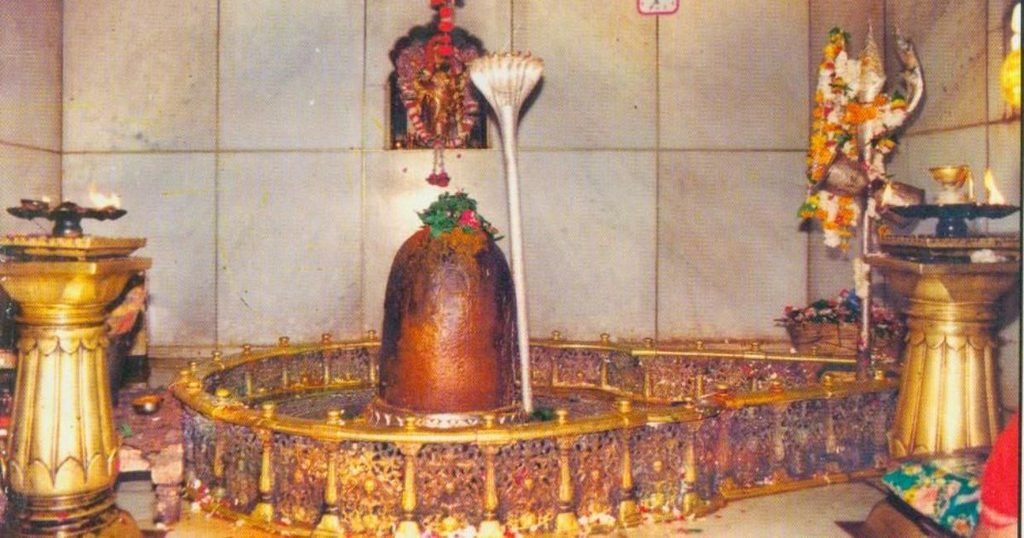
The temple is located in Chandippa village, under Shankarpally Mandal, in the Ranga Reddy district of Telangana, pin code 501203.
Key location details:
- Distance from Hyderabad: approximately 35 kilometres
- Distance from Shankarpally town: around 4 kilometres
- Approximate coordinates: 17.46° N, 78.13° E
- Nearest town: Shankarpally
How to reach the temple:
- From Hyderabad, take the Vikarabad or Shankarpally road and drive toward Shankarpally town.
- From Shankarpally bus stand, shared autos and local taxis run to Chandippa village.
- Private vehicles can drive directly to the temple gate, since the approach roads were upgraded during the temple’s restoration work.
The rural setting, surrounded by open fields and a small village community, gives the shrine a calm, uncrowded atmosphere that many visitors say is part of its charm.
Marakatha Shiva Lingam History & Rediscovery
Ancient Origins
According to a stone inscription discovered on the temple premises and later translated by Pandit Shri Deshmukh Hanumanth Reddy, the original Someshwara Swamy temple was constructed during the reign of the Western Chalukya emperor Vikramaditya VI, who ruled from 1076 to 1126 AD.
Vikramaditya VI held the titles Permadideva and Tribhuvanamalla, meaning Lord of the Three Worlds, and his empire stretched from the Kaveri river in the south to the Narmada river in central India. The inscription records that:
- The temple foundation was laid in the 25th year of his coronation.
- The Someshwara Linga was formally consecrated on 23rd October 1101 AD, a Thursday, corresponding to Kartika Shukla Paksha Panchami.
- Over 250 acres of land were granted for daily worship, festivals, and the upkeep of Vedic scholars.
- A devotee named Jakkanabbe funded the construction, which was carried out by artisans connected to the families of Maruvojana and Thammojana.
For centuries afterward, the temple served as a functioning place of worship under royal patronage, an important detail that gives this shrine genuine archaeological and historical credibility rather than folklore alone.
Modern Revival
Like many rural temples, Chandippa’s shrine gradually fell into neglect over the centuries as royal support ended and the village around it changed. The rare lingam sat largely forgotten, overgrown and untended, until a local devotee named Naresh Kumar, a resident of Shankarpally, began visiting the site regularly on every Pournami (full moon day) for five continuous years.
During one such visit, he noticed an unusual greenish reflection on the lingam’s surface during abhishekam. Being a journalist by profession, he wrote about the discovery in an article titled “Dhupa Deepa Naivadyalaku Noochukoni Chandippa Marakata Shivalingam” published in the Andhra Bhoomi newspaper. This single article brought the forgotten shrine into public attention for the first time in decades.
Modern Revival
Word of the article spread, and devotees from Hyderabad and nearby villages began visiting Chandippa to witness the emerald toned lingam themselves. On 11th December 2011, Naresh Kumar met a contractor named Sri Venkateshwar Rao during a Lord Ayyappa Mahapadi Puja and shared the temple’s condition with him. Moved by the story, Venkateshwar Rao offered to fund and lead the reconstruction.
With support from local villagers, the temple was rebuilt within a short span, and a Maharudrabhishekam was performed under the guidance of Shri Sambashiva Murty to symbolically awaken Lord Shiva from Yoganidra, a ritual sleep state. Since that revival around 2011 to 2012, the temple has steadily grown into an active pilgrimage spot, drawing visitors through word of mouth, devotional groups, and social media sharing.
The Deity – Someshwara Swamy (Shiva)
The presiding deity is worshipped as Someshwara Swamy, one of the many regional names for Lord Shiva across Telangana and Andhra Pradesh. The name reflects Shiva in his form as “Lord of the Moon” or “Lord who wears the crescent,” a common epithet found in several ancient Someshwara temples across South India.
Alongside the main lingam, the temple complex houses:
- Kalabhairava Swamy, worshipped as a Kshetra Palaka or guardian deity of the site
- A divine serpent (Naga) deity, believed to protect the temple’s spiritual energy
- Nandi, Shiva’s sacred bull, positioned facing the sanctum as per tradition
Temple Architecture & Layout
The original structure followed the Dravidian temple style typical of the Western Chalukya period, featuring a simple stone sanctum, an inscribed slab documenting the temple’s founding, and a modest outer courtyard suited to a village shrine rather than a grand royal temple.
Following the 2011 to 2012 restoration, the layout was refreshed while preserving the historic inscription stone at the entrance. Present day visitors typically pass through this sequence:
- An entrance archway leading into the temple courtyard
- A shrine dedicated to Kalabhairava Swamy and the serpent deity, visited first as per local custom
- The Nandi mantapa facing the main sanctum
- The garbhagriha (inner sanctum) housing the Marakatha Someshwara lingam
- A surrounding prakaram (corridor) used during festival processions
The rebuilt sections use contemporary temple construction techniques, so the site now blends a centuries old sacred core with modern amenities for pilgrims, including better flooring, lighting, and access roads.
Rituals, Sevas & Worship Practices
Daily worship at the temple follows traditional Shaiva agama practices. Common rituals include:
- Nitya Puja: Regular morning and evening worship of the lingam
- Abhishekam: Ritual bathing of the lingam with water, milk, curd, honey, and other sacred substances
- Panchamrutha Abhishekam: A special five nectar bath using milk, curd, honey, ghee, and sugar, considered especially auspicious for Shiva worship
- Rudrabhishekam: Chanting of the Rudram hymns during the abhishekam, believed to remove obstacles and negative influences
- Maharudrabhishekam: A more elaborate version performed on special occasions, involving multiple priests and extended chanting
Devotees are advised to first offer prayers at the Kalabhairava and serpent shrine before approaching the main Someshwara sanctum, following the belief that these guardian deities must be honoured before seeking the main deity’s blessings.
Marakatha Shiva Lingam Temple Timings
Based on temple management listings and pilgrim reports, the general darshan schedule is as follows:
- Morning darshan: approximately 6:00 AM to 12:00 PM
- Evening darshan: approximately 4:00 PM to 6:00 PM
Some sources list an extended single window of 5:00 AM to 6:00 PM on select days, particularly during festivals or Pournami, when larger crowds are expected. Since timings at smaller regional temples can shift slightly for special poojas or renovation work, it is a good idea to confirm the exact schedule locally or with the temple committee before planning a long trip.
Devotees generally recommend arriving early in the morning, since this is considered the most spiritually potent time for abhishekam and personal prayer.
Festivals & Cultural Events
The temple’s calendar centres around a few key occasions:
- Maha Shivaratri: The single biggest event of the year, drawing devotees from Hyderabad and surrounding districts for night long prayers and special abhishekams.
- Pournami (Full Moon Day): Considered especially significant here, since the temple’s own rediscovery is linked to monthly Pournami visits by its founding devotee.
- Karthika Masam: The sacred Karthika month, when Shiva worship across Telangana intensifies with lamp offerings and extended pujas.
- Local village jatara and annual utsavams: Smaller community festivals organised by the temple trust and local residents, often including processions around the prakaram.
Myths, Beliefs & Devotee Experiences
Several beliefs and oral accounts surround this temple, passed down through devotees and local residents:
- The emerald glow: Many pilgrims describe witnessing a distinct greenish shimmer on the lingam’s surface during abhishekam, especially when water or milk flows over it in direct light. This visual effect is central to the temple’s growing reputation.
- Awakening from Yoganidra: The 2011 revival ritual is popularly described as “waking” Lord Shiva from a long spiritual slumber, a narrative that resonates strongly with devotees who see the temple’s rediscovery as itself a divine sign.
- Guardian deities: Locals believe Kalabhairava Swamy and the serpent deity have protected the sanctum for nearly a thousand years, even through the period when the temple lay abandoned and overgrown.
- Personal testimonies: Regular visitors often speak of a sense of calm, mental clarity, or emotional relief after praying here, attributing it to the lingam’s rare Marakatha energy combined with the temple’s peaceful rural setting.
As with any temple folklore, these accounts are matters of faith and personal experience rather than verified fact, and they are shared here to reflect the devotional culture surrounding the shrine.
Spiritual Philosophy Behind Shiva Lingams
To understand why a temple like this captures so much devotion, it helps to understand the broader philosophy of the Shiva lingam itself. In Shaiva thought, the lingam is not a literal object of worship but a symbolic representation of:
- Shiva’s formless, infinite nature, often described as a pillar of light with no beginning or end
- The union of Shiva (consciousness) and Shakti (energy), when placed within a yoni base
- The idea that the divine exists beyond human shape, and can be approached through a simple, abstract form
A rare material or colour variation, such as an emerald tone, does not change this underlying philosophy. Instead, it is seen as an additional expression of Shiva’s infinite creativity, one that gives devotees a fresh, tangible focal point for meditation and prayer.
Marakatha Shiva Lingam Cost
Visiting the temple itself is free, as with most public Hindu temples in India. There is no entry ticket or admission fee for general darshan.
For those wishing to sponsor specific rituals, approximate seva costs commonly followed at similar Telangana village temples include:
- General Abhishekam: a modest offering, often a few hundred rupees
- Panchamrutha Abhishekam: typically a slightly higher amount due to the additional ingredients required
- Rudrabhishekam or Maharudrabhishekam: priced higher, reflecting the extended chanting and priest involvement
- Annadanam or festival sponsorship: voluntary donations, usually based on what a devotee wishes to contribute
Since this is a community managed temple rather than a large commercial trust, exact seva rates can vary and are best confirmed directly with the temple committee or local priests before your visit.
Marakatha Shiva Lingam Benefits
Devotees who visit this temple often cite the following spiritual and personal benefits:
- A sense of inner peace and reduced mental stress after prayer
- Improved clarity, focus, and confidence, linked to the emerald lingam’s association with Mercury
- Remedial benefits for those believed to have a weak or afflicted Budha (Mercury) in their horoscope
- A feeling of connection to an ancient, living lineage of worship dating back nearly 1,000 years
- An uncrowded, peaceful pilgrimage experience compared to larger, more commercial temple circuits
These benefits are rooted in devotional belief and personal experience rather than scientific claims, and are shared here as part of the temple’s spiritual tradition.
FAQ’s
Where is the Marakatha Shiva Lingam Temple located?
It is located in Chandippa village, Shankarpally Mandal, Ranga Reddy district, Telangana, about 35 km from Hyderabad.
What is the significance of the Marakatha (emerald) Shiva Lingam?
Marakatha means emerald, and the lingam is believed to reflect a green glow during abhishekam, symbolising Shiva’s rare and infinite form.
When was the Chandippa Marakatha Shiva Lingam Temple built?
Temple inscriptions date its consecration to 23rd October 1101 AD, during the reign of Western Chalukya king Vikramaditya VI.
What are the Marakatha Shiva Lingam Temple timings?
Darshan is generally available from around 6:00 AM to 12:00 PM and 4:00 PM to 6:00 PM daily.
Is entry to the Marakatha Shiva Lingam Temple free?
Yes, general darshan is free for all visitors, with optional donations for special sevas.
Which day is best to visit the Marakatha Shiva Lingam Temple?
Pournami (full moon day) and Maha Shivaratri are considered the most spiritually significant days to visit.
What is Panchamrutha Abhishekam and how much does it cost?
It is a ritual bath using milk, curd, honey, ghee, and sugar, priced modestly and best confirmed with the temple committee.
Who rediscovered the Marakatha Shiva Lingam?
A local devotee named Naresh Kumar noticed its emerald glow during regular Pournami visits and publicised it through a 2011 newspaper article.
What other deities are worshipped at this temple?
Alongside Someshwara Swamy (Shiva), devotees worship Kalabhairava Swamy, a serpent deity, and Nandi within the complex.
Is the temple crowded on normal days?
No, being a rural village temple, it stays peaceful on regular days and sees larger crowds mainly during festivals and Pournami.
Final Thoughts
The Marakatha Shiva Lingam Temple is a rare example of how an ancient Chalukya era shrine, once forgotten for generations, can be revived through the persistence of a single devoted individual and the support of a local community. Its emerald toned lingam, thousand year old inscription, and layered mythology around guardian deities make it far more than a roadside stop near Hyderabad.
For pilgrims seeking a quieter, less commercial Shiva darshan steeped in genuine history, Chandippa offers a meaningful detour, one where faith, archaeology, and a village’s collective devotion come together in a single sacred stone.

Wei Zhang is the admin of Magazinereflex.com, a travel-focused website dedicated to exploring destinations, sharing travel tips, and inspiring memorable adventures. With a passion for discovering new places and learning about different cultures, Wei Zhang aims to provide readers with helpful travel guides, destination insights, and practical advice to make their journeys more enjoyable. His goal is to inspire travelers to explore the world with confidence and curiosity.
